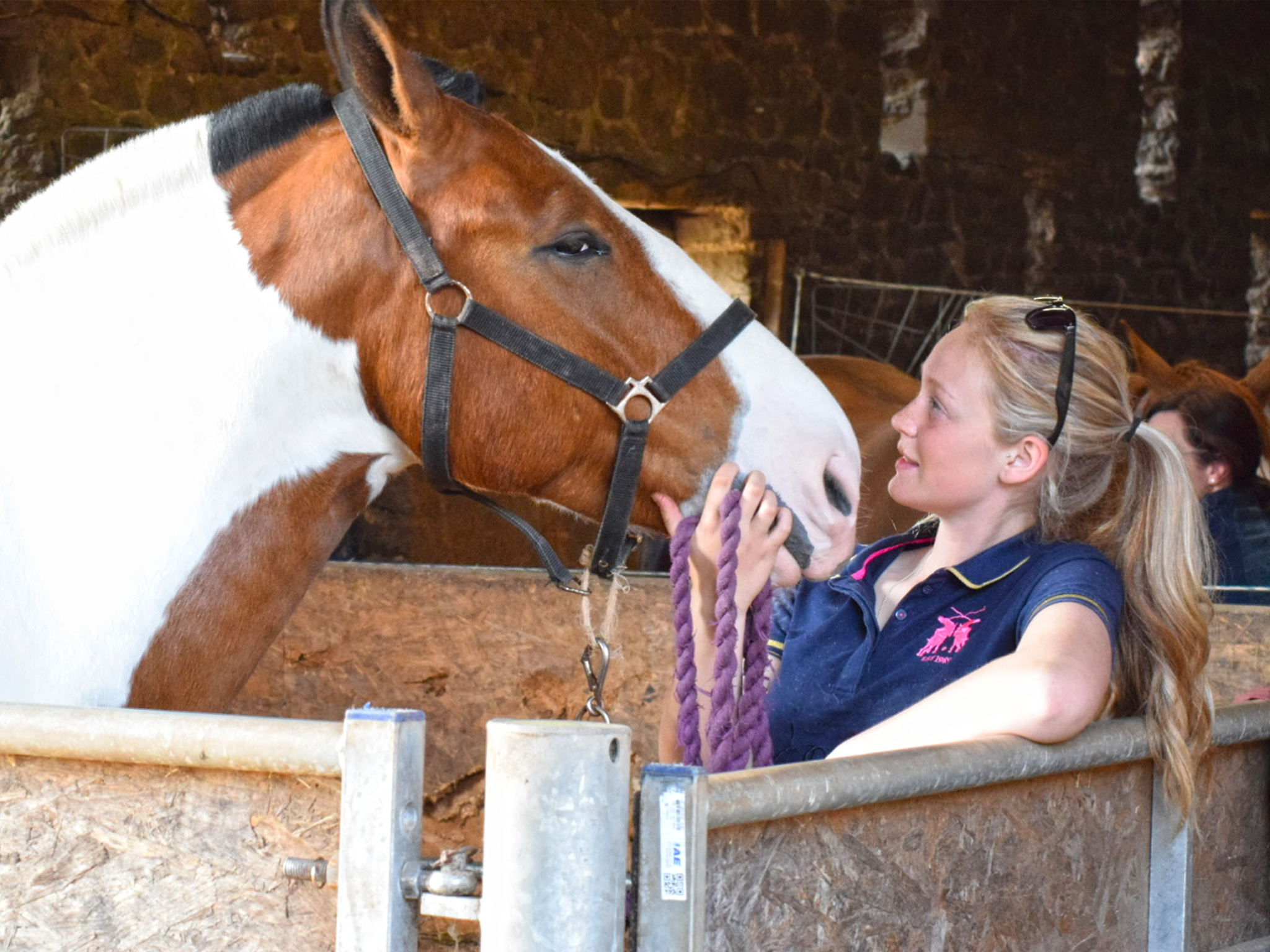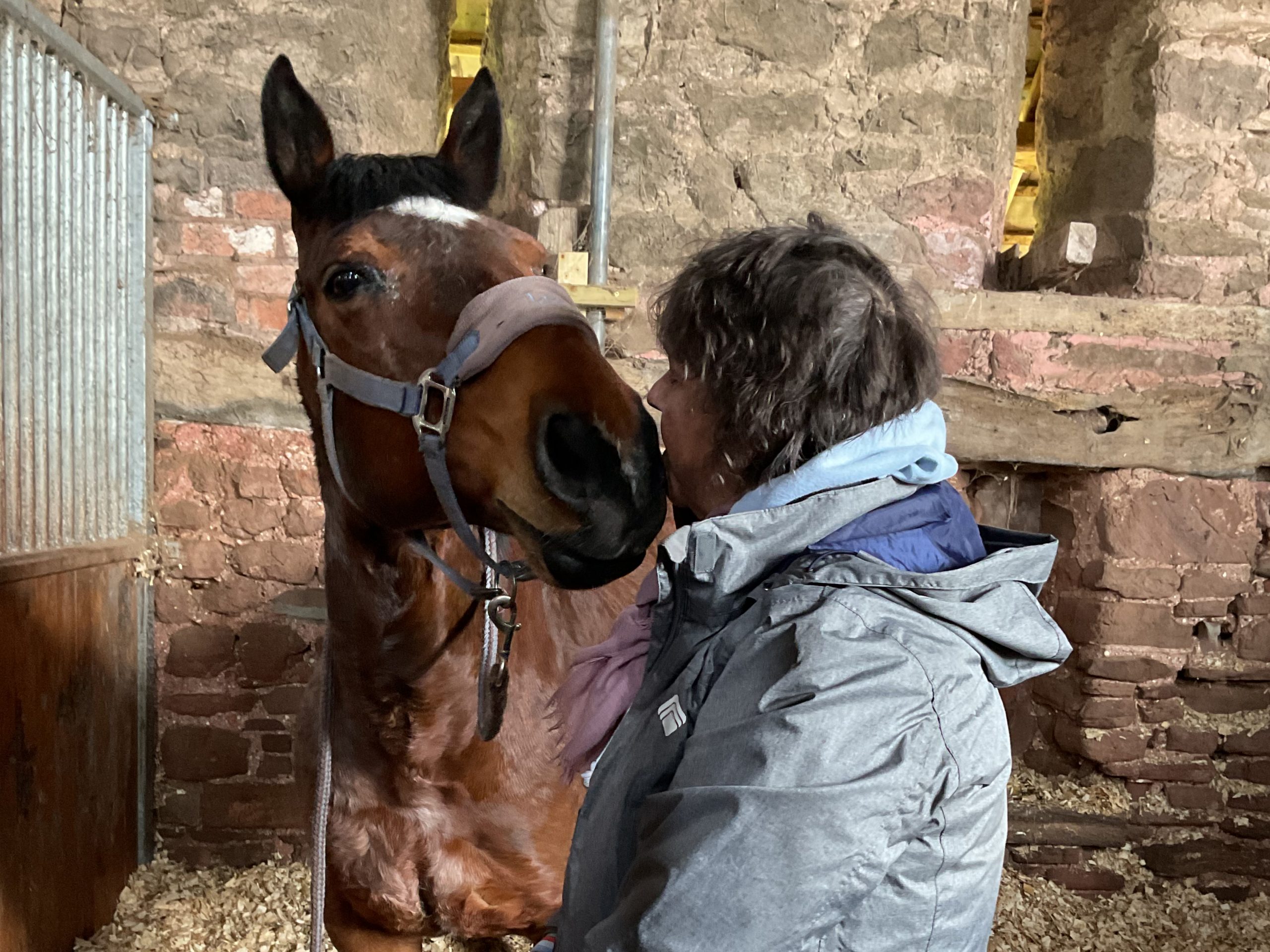
Emotional & Memory Centres
Trauma is stored in the emotional and memory centres of the brain, including the amygdala. (which processes emotions, especially fear) and the hippocampus (which processes memories).
Somatic Memory
Trauma can also be stored as somatic memory, meaning its experienced as changes in the body’s biological stress response.
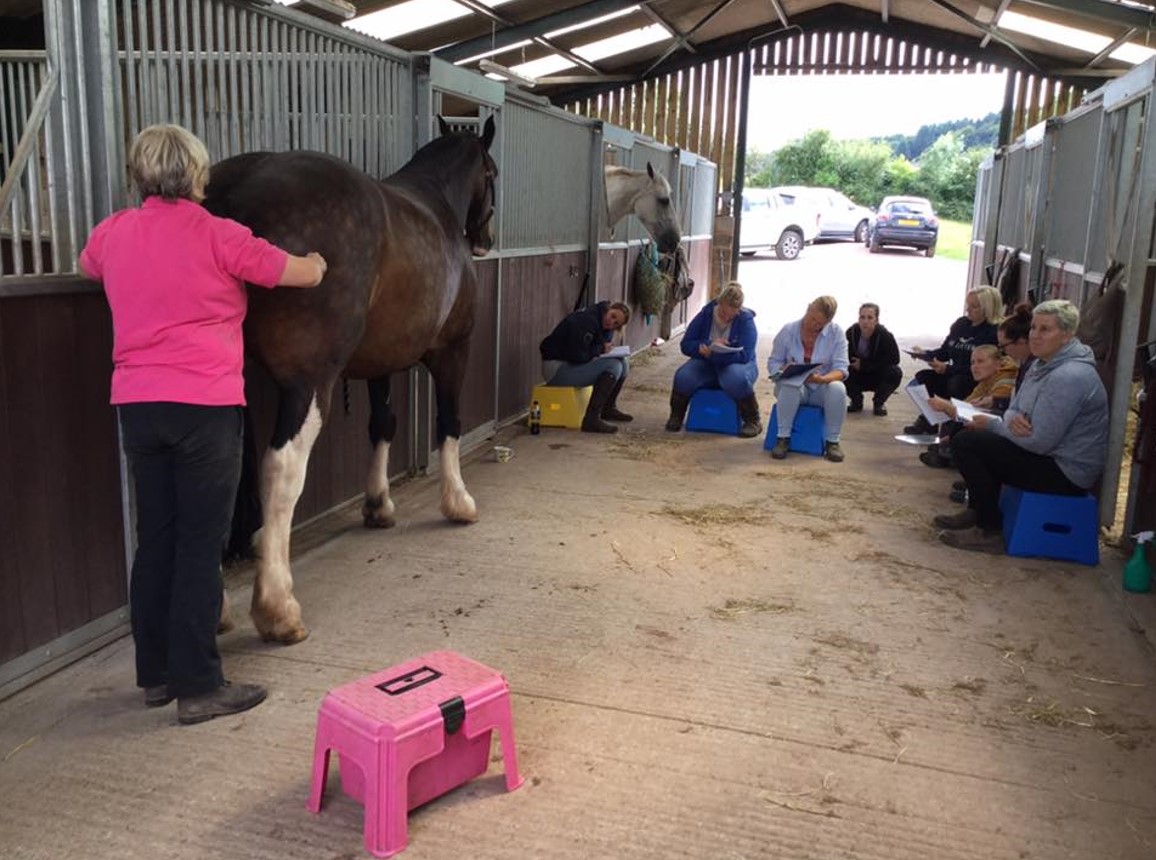
Physical Manifestations
Trauma can manifest itself physically as muscle tension, chest tightness, digestive issues and other physical symptoms.
Impact on the Body
The body can become “stuck” in a state of heightened arousal, leading to chronic stress and potentially impacting various bodily functions and symptoms.
The Body Keeps the Score
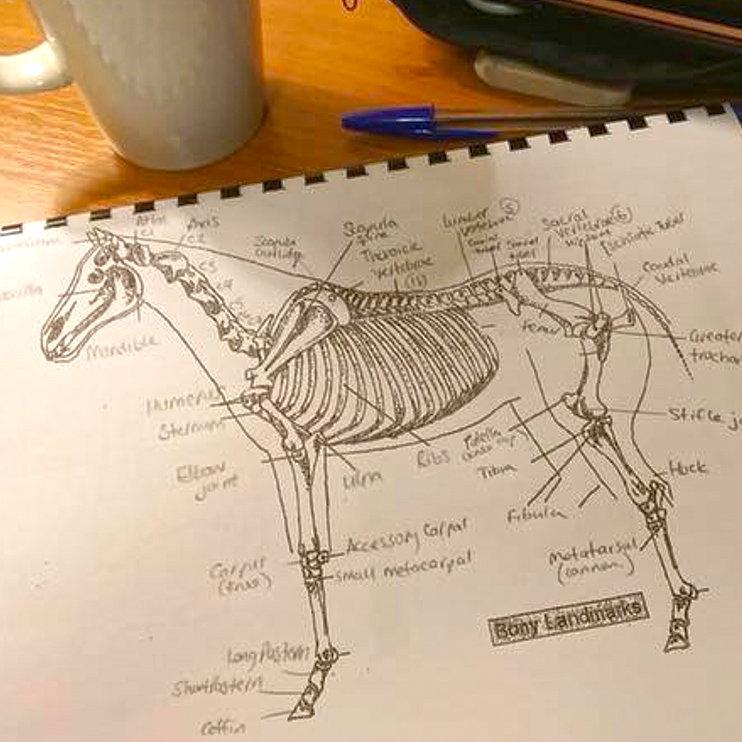
The phrase “the body keeps the score” emphasises that trauma can have a lasting impact on the physical body and healing often involves addressing both the mind and the body.
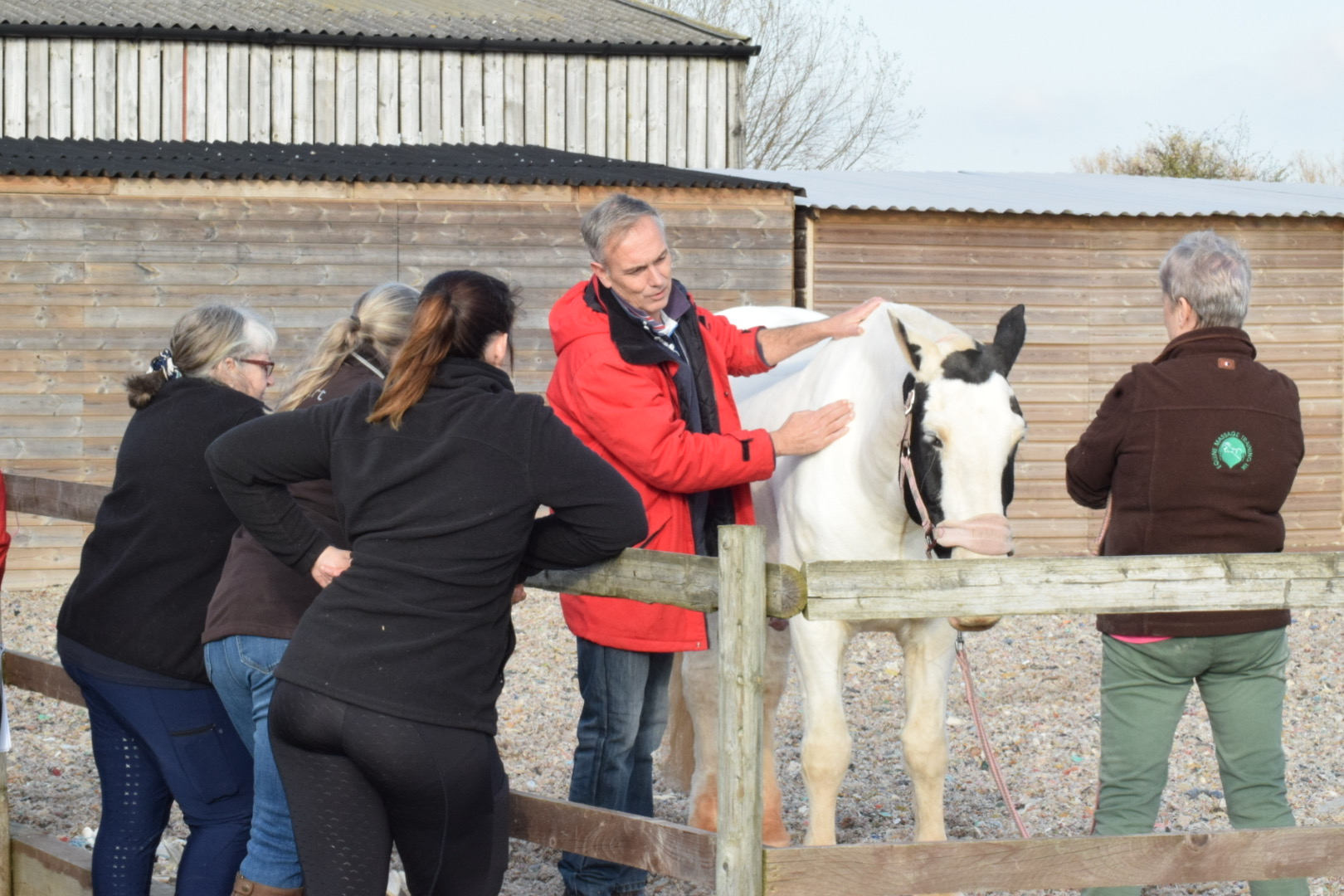
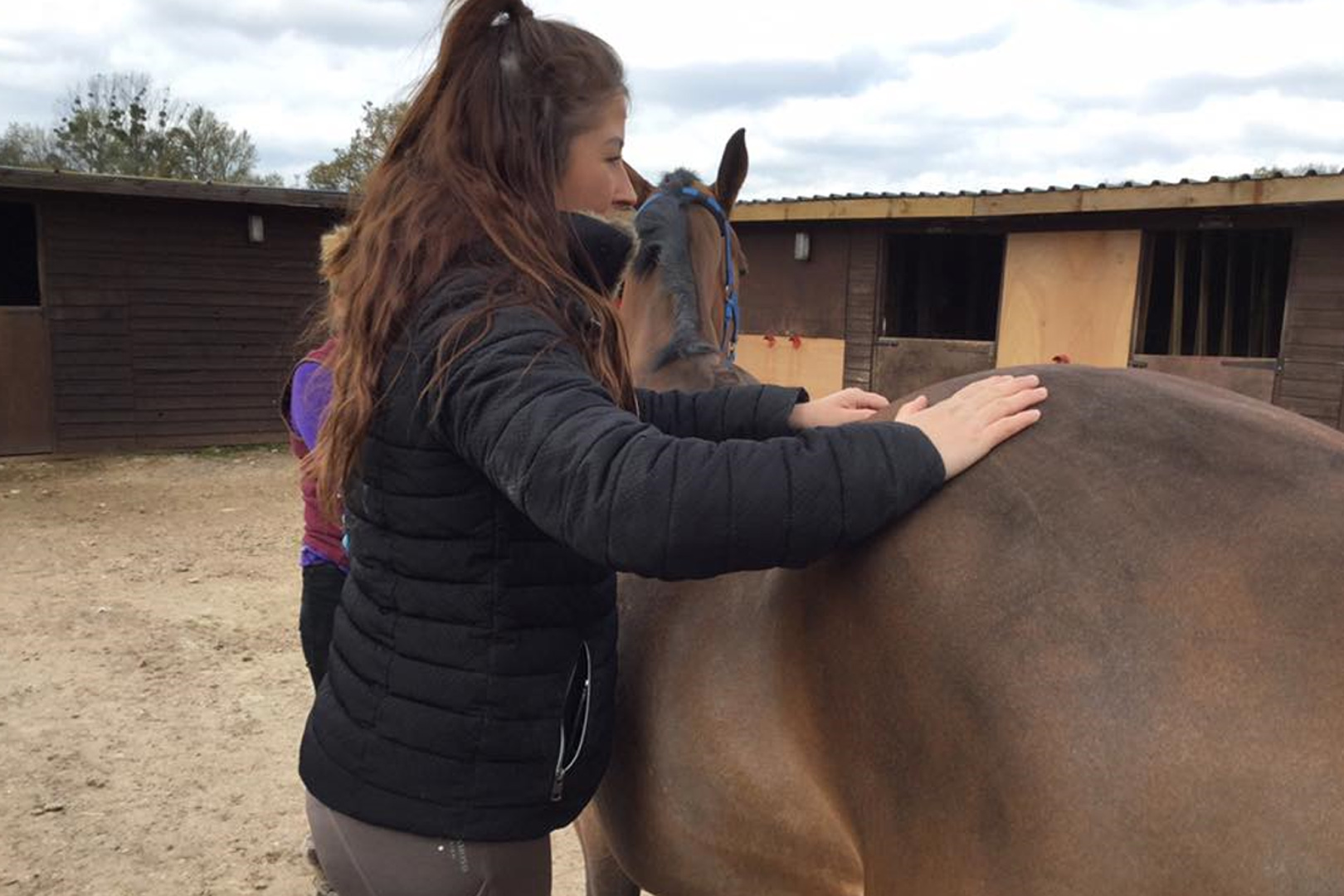
The concept of ESRT is to use natural, calming techniques to activate the parasympathetic nervous system, promoting relaxation, emotional regulation and over-all well-being. This approach is especially beneficial in treating conditions related to stress, anxiety, trauma and muscle memory, making it a valuable tool in equine therapy.
Benefits
Emotional healing - This approach can help release deep-seated emotions, particularly those related to trauma, stress. Physical Relaxation - The horse often experiences a reduction in physical symptoms such as tension, pain or discomfort. By inviting the horse to relax and release through a series of light hand movements, the horse is encouraged to release areas of the body. Enhances the horse’s awareness - Connecting their emotions to their physical state. Flight or fight.